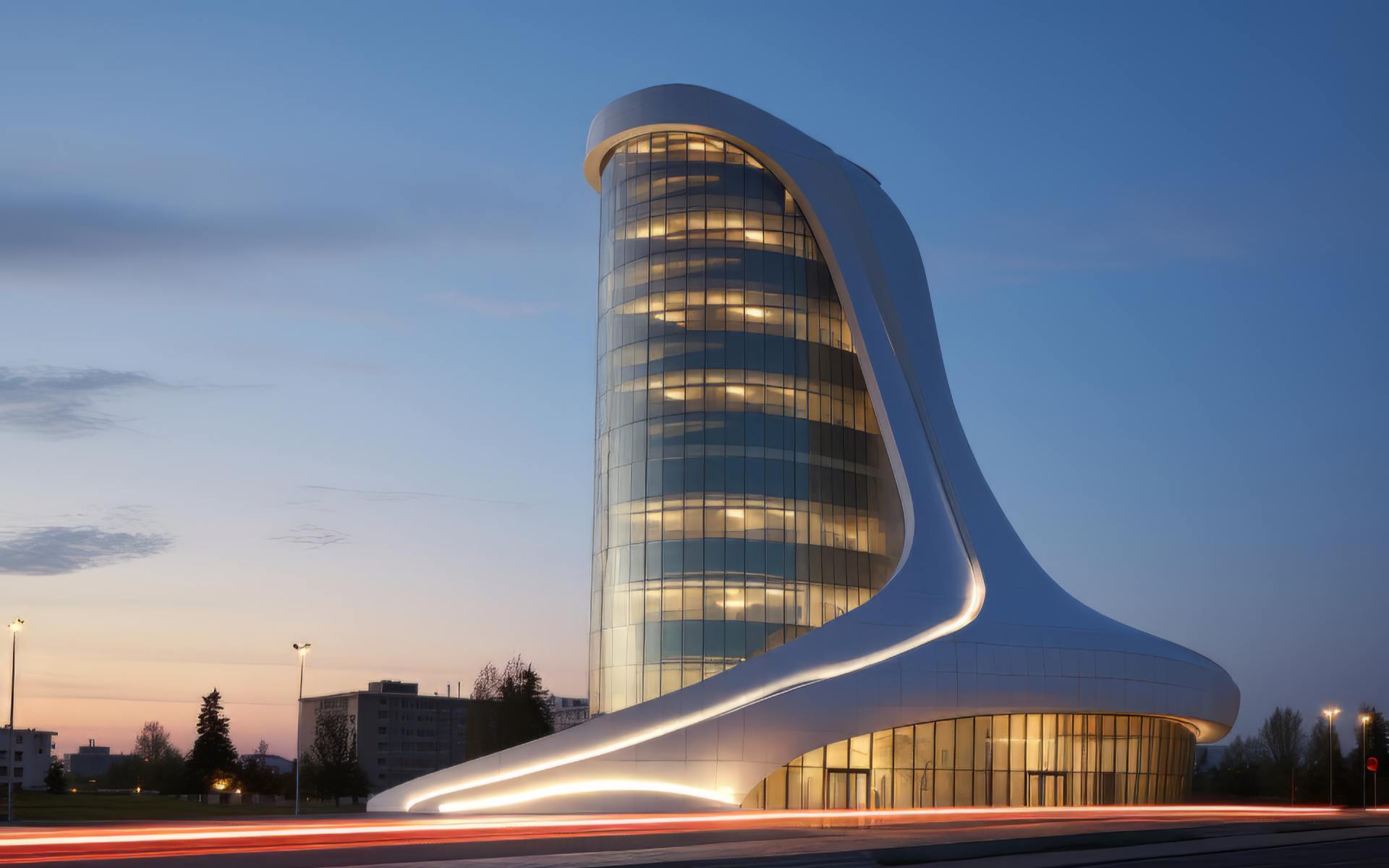
This shift is largely driven by rising property prices in established hubs and the expansion of urban infrastructure into surrounding areas. As cities grow outward, improved connectivity, new commercial zones, and planned residential developments are transforming previously overlooked locations into attractive investment destinations. For forward-thinking buyers, entering these markets early means securing better value today while positioning themselves for significant appreciation tomorrow.
1. Higher Growth Potential
Established areas often come with premium pricing, which limits appreciation margins. Emerging neighborhoods, however, offer:
Lower entry prices
Rapid infrastructure development
Growing demand from first-time homebuyers
Early-stage commercial expansion
2. Infrastructure Drives Value
Property value increases when infrastructure improves. Look for:
Upcoming metro or transport projects
New highways and road connectivity
Government-approved development plans
New schools, hospitals, and retail hubs
This evolution is driven by changing expectations from homeowners who seek more than just four walls—they want spaces that enhance productivity, wellness, and connectivity. Integrated digital systems, flexible layouts, and eco-conscious construction practices are becoming essential rather than optional. As urban populations grow, the homes of tomorrow must balance innovation with responsibility, delivering comfort and convenience while reducing environmental impact and supporting long-term community development
Smart Homes: Where Innovation Meets Comfort
Technology has become an essential part of contemporary living. Today’s smart homes integrate advanced systems that simplify everyday routines while enhancing security and efficiency.
From automated lighting and climate control to app-connected security and voice-assisted systems, intelligent features allow homeowners to manage their space effortlessly. These innovations:
Optimize energy usage
Increase safety and monitoring
Improve comfort through automation
Adapt to personal lifestyle preferences
Forward-thinking developments now embed smart infrastructure during construction—ensuring long-term adaptability rather than temporary upgrades.
Sustainable Spaces: Designed for Tomorrow
As environmental awareness grows, sustainable construction has become a core priority in urban development. Modern homes are being designed to reduce carbon footprints while maintaining high standards of comfort and durability.
Energy-efficient windows and insulation
Solar-ready infrastructure
Water-saving plumbing systems
Eco-friendly construction materials
Sustainable design is no longer optional—it’s an investment in long-term value, lower utility costs, and healthier living environments.
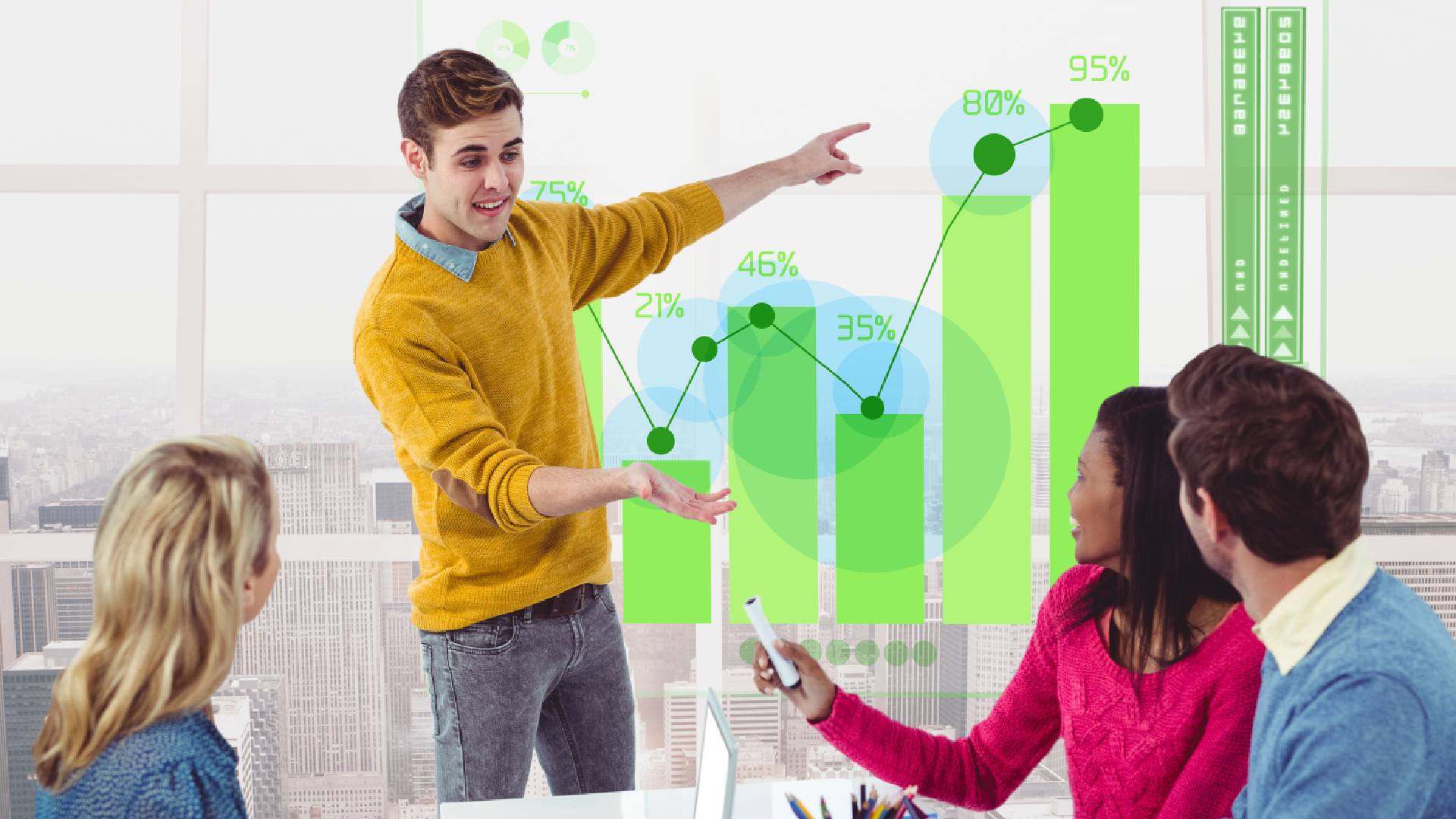
In this post, we’ll take you through the essential stages of the modern construction process, highlighting how vision meets execution.Every remarkable building begins with more than just materials—it starts with strategy, expertise, and meticulous planning. At Structura, we see construction as a seamless progression from concept to completion, where every decision contributes to a durable, functional, and aesthetically refined space.
1. Ideation & Feasibility: Laying the Groundwork
The first step in any project is defining what the space will achieve. This involves understanding the purpose, the client’s requirements, and the broader context of the site.
Comprehensive site surveys and environmental assessments
Preliminary budgeting and project scheduling
Regulatory checks and approvals
Concept sketches and client consultation
A well-executed feasibility phase ensures the project starts on a strong, realistic foundation.
2. Design & Planning: Bringing Concepts to Life
With a clear vision, the design stage transforms ideas into actionable plans. Advanced tools and thoughtful planning make it possible to visualize the final outcome before construction begins.
Detailed architectural and structural drawings
Efficient space utilization and interior flow
Selection of premium and sustainable materials
Incorporation of smart home and automation systems
This stage bridges creativity with practicality, ensuring every square foot is purposeful.
Welcome to WordPress. This is your first post. Edit or delete it, then start writing!